
Problem-diagnosis hub
Start with the symptom, then take the right next step.
A practical floor-problem library for moisture, movement, surface damage, stains, and exposure.
Direct answer
Use this guide to understand what you are seeing and what to do first. We cannot diagnose an exact floor from a description, but most symptoms have a safe next step you can take today.
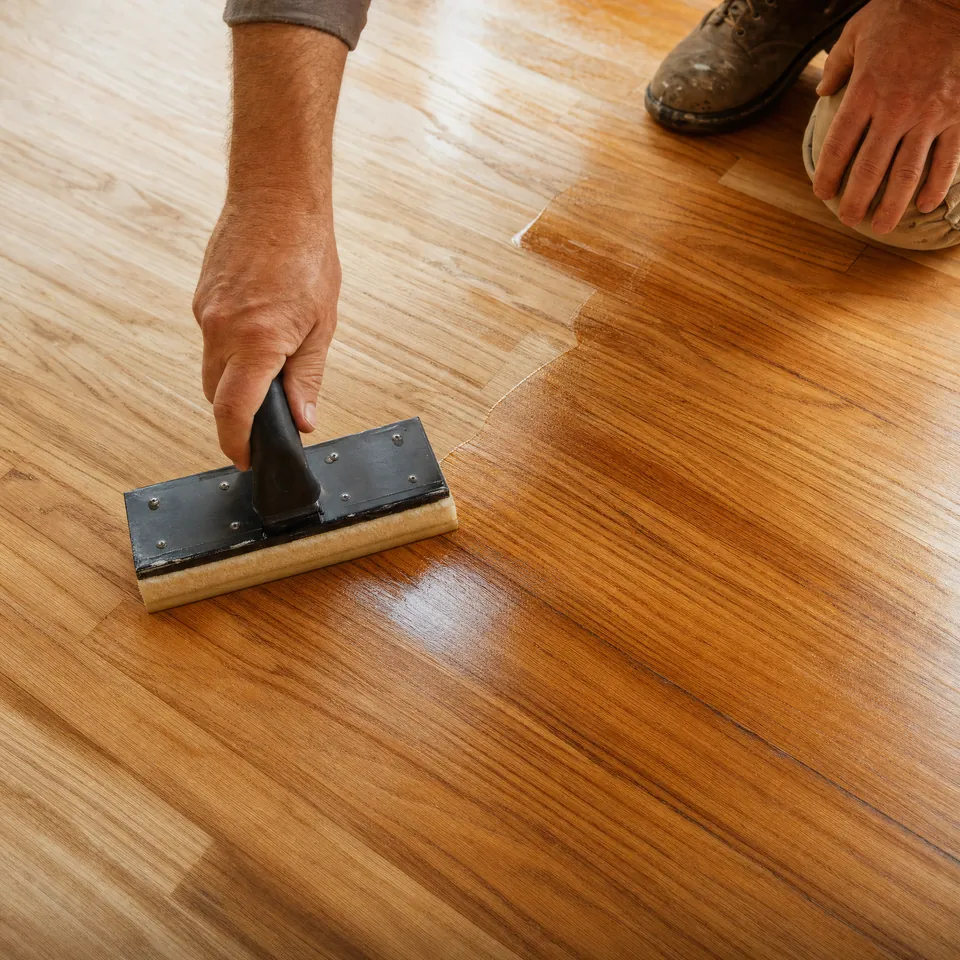
Start with the floor
Good decisions begin with what you can see.
This PHR-supplied floor photo is here to give the guide a real wood reference. It does not diagnose your floor or promise the same look. The details below help you ask better questions about your own home.
Use a cause-first model
Group observations before choosing a remedy: moisture/environment, a discrete liquid event, surface or finish wear, mechanical movement, or material loss. Fixing a cosmetic symptom before the underlying cause is known can create a second problem.
- Cupping means raised board edges with lower centers; moisture investigation comes before sanding.
- Large or persistent gaps deserve assessment rather than automatic filler.
- Buckling, contamination, widespread water, or mold concern require a specialist path beyond a flooring-only DIY fix.
What to document for an assessment
Record room, exact location, onset, recent leaks or cleaning changes, season/HVAC changes, visible movement, odors, photos, and whether the issue is localized or widespread. This turns a phone conversation into useful context without claiming remote certainty.
Sources & references Reference table and citations
| Symptom | Possible mechanism | Low-risk immediate action |
|---|---|---|
| Cupped boards | Moisture gain or water source | Stop active water; document; avoid sanding first. |
| Gaps or splits | Moisture loss or movement | Track seasonality; assess large or persistent gaps. |
| Squeaks | Movement within the floor structure | Document location and pattern; avoid destructive probing. |
| Water damage | Leak, spill, flood, or contamination | Control source; dry/document promptly; escalate contaminated/extensive damage. |
| Sun color change | Uneven exposure over time | Manage light exposure; confirm finish/species before repair claims. |
- NWFA — Problem Prevention
- USDA Forest Products Laboratory — Moisture Relations
- EPA — Mold, Moisture and Your Home
- Bruce Flooring — Squeaky Hardwood Floors
Last reviewed: October 6, 2026. Exact products, prices, and project choices should always be checked against current information and the real floor.