
Installation planning · Homeowner guide
Hardwood Floors and Radiant Heat: Plan Before You Buy
General radiant-heat planning limits for hardwood floors, and why the exact flooring product still decides the design.
Direct answer
Hardwood can work over radiant heat only when the system stays within the exact flooring product's limits. NWFA guidance caps the wood-floor surface at 80°F. The design must start with a heat-loss calculation and temperature controls, not a guess that a warmer floor will solve a heating need. Check both the heating plan and the manufacturer's current flooring instructions before choosing a product.
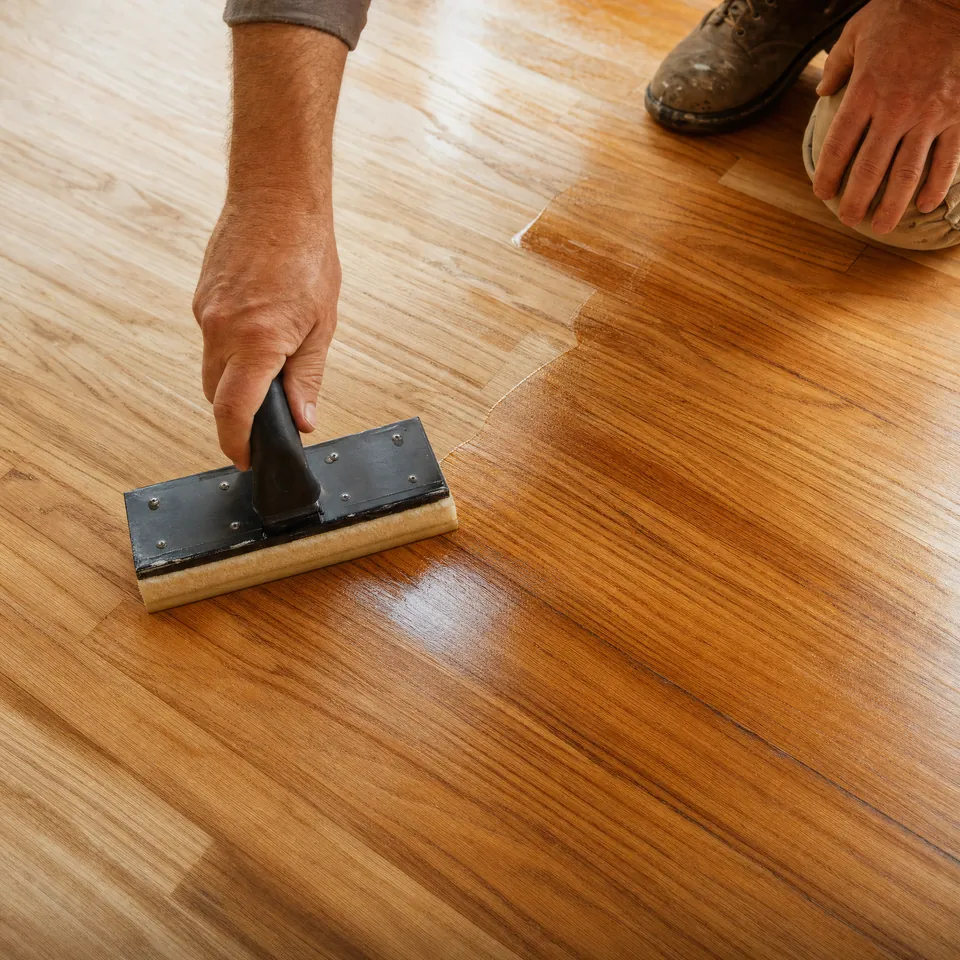
A closer look at wood
Every floor has details worth seeing.
This PHR-supplied floor photo shows wood detail, not a promise about your home. Use the guide below to understand the question, then look at the actual floor before you choose a path.
Start with the exact flooring product
The National Wood Flooring Association's radiant-heat guidance limits the wood-floor surface to 80°F. That is a general industry guideline for wood floors, not permission to use every product over radiant heat. The same source says manufacturer limits can differ. The exact flooring product and its current instructions still decide the plan.
Design around the wood-floor limit
NWFA says an 80°F floor surface with 70°F indoor air delivers about 20 BTUs per square foot per hour. That is not a promise for a home. A heating-system designer starts with a heat-loss calculation. If the building needs more heat than a wood floor can safely deliver, the source calls for another way to add heat instead of raising the wood-floor temperature.
Controls and records are part of the plan
NWFA recommends a thermostat that limits floor temperature as well as sensing air temperature. It also recommends recording the maximum operating temperature, managing humidity, and planning for adequate subfloor insulation. Those are design topics for the full system, not a product list or an at-home installation plan.
Heat does not remove the moisture question
The U.S. Forest Products Laboratory explains that wood exchanges moisture with the surrounding air. Changes in moisture can affect wood movement. EPA's general household guidance is to keep humidity below 60%, ideally between 30% and 50%, for moisture and mold control. That household range is not a radiant-floor operating rule or a product specification.
Questions to take to the planning meeting
Bring the exact flooring product name, its current radiant-heat instructions, the heat-loss calculation, the planned temperature controls, and the person responsible for the complete system. A broad label such as solid or engineered hardwood does not answer all of those questions.
Make the next step practical
See your starting price, then look at the floor together.
This guide helps you get started. Your in-home visit is where we look at the floor, talk through your goals, and build the written plan.